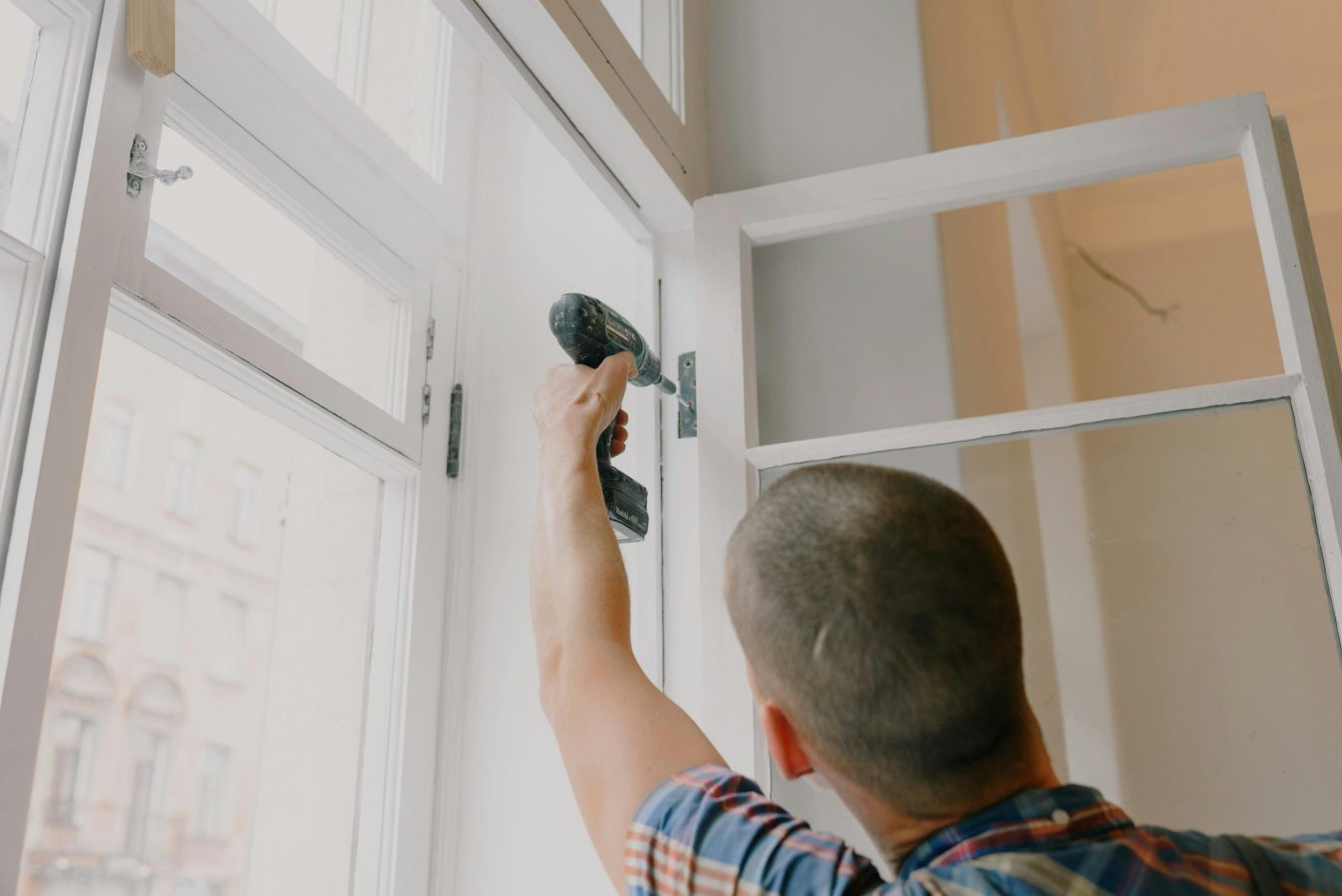
Every apartment intended for worker accommodation must be tidy and well equipped in order to meet living standards and provide comfort for everyday life. Regardless of whether you are a landlord or a representative of a company looking to rent an apartment for its workers, below we explain what the required amenities in worker accommodation are. Like any other type of housing, worker accommodation must consist of various components and facilities that are essential in today’s modern world. Let’s start with the basics…
Cleanliness and Comfort
Cleanliness is the introductory and key point of this article. As first impressions are often crucial, an apartment must not be messy or unprepared at the time of move-in, as renting implies proper maintenance of the accommodation before the arrival of those who will live there. On the contrary, it should be brought into the best possible condition, which immediately represents a major advantage for all parties involved – especially for the workers.
What does this specifically mean? The accommodation should be free of moisture and mold and, therefore, clean and well maintained. Cleanliness is a broad term and includes vacuuming, dusting, mopping floors, and removing unnecessary items. Another important factor is warmth—the landlord’s responsibility is to ensure heating so that the apartment is warm and comfortable, with the ability to adjust the temperature depending on the season.
Once the basics are established, we can focus on each part of the apartment individually.
Kitchen
The kitchen must be equipped with everything necessary for meal preparation. Due to work obligations, workers will not spend much time in the kitchen, but the space must be functional so they have enough room to eat indoors and – more often – to prepare meals to take with them to work. When it comes to worker accommodation, every modern kitchen should include a sufficiently large refrigerator, a freezer, a stove, an oven, hot and cold water, and a table with an adequate number of chairs.
It is recommended that pots and pans are provided along with the stove and oven, and ice trays with the freezer. This spares workers from having to visit a store immediately upon moving in and sends a clear message that you have thought of everything. You may also provide food containers and storage bags, especially since meals are often prepared to take away. If food remains in the apartment, workers can label the bags with their names, making it easier to organize the refrigerator and know what belongs to whom.
Living Room
Workers will spend most of their free time in the living room. After returning from work, it will be the central area of the apartment, so it is important that it is pleasant and inviting. The living room should have a two- or three-seater sofa, or more if necessary depending on the number of workers, although it is unlikely that everyone will use it at the same time. Of course, the living room should include Wi-Fi and at least one television, preferably with a wide range of channels – especially foreign channels. If the workers are not from Croatia, local TV channels will be of little use to them. The same applies to the radio if only domestic stations are available.

There should be no additional sleeping facilities in the living room. Its purpose should be to allow workers to relax and unwind after working hours, not to serve as a bedroom. This creates a clear distinction between the living area and the sleeping quarters, where proper rest should take place.
Avoid placing fragile items in the living room – always opt for durable, non-breakable furniture and furnishings when it comes to worker accommodation.
Bedroom
Since we have mentioned bedrooms, let’s address them in more detail. When it comes to worker accommodation, it is clear that bedrooms are not single-occupancy. However, we do not recommend more than three beds per room, with two beds being the ideal number.
Each worker should, of course, have their own bed, along with a bedside table, a lamp, and a wardrobe for personal belongings. Ideally, beds should be equipped with curtains, as is common in most modern hostels, to provide a certain level of privacy between workers. We must not forget power outlets – either multiple outlets in one place or one per bed – since workers usually charge their mobile phones overnight.
Bathroom
The bathroom is, of course, essential for maintaining hygiene. But how large should a bathroom be in relation to the number of workers? Ideally, one bathroom and one toilet should be shared by four, at most five workers. You may also create a simple schedule on paper so workers know when it is their turn to use the bathroom before heading to work.
Special attention should be paid to supplies here. Purchase toilet paper, cleaning products, wet wipes, cotton swabs, and similar items – everything that comes to mind and may be useful to the residents.
We should also mention electrical appliances such as a washing machine, dryer, and hair dryer – anything you consider necessary for worker accommodation. Of course, alternatives exist, and if you do not have a washing machine, workers can be directed to a nearby laundromat. However, for hygiene reasons and to avoid clutter and disorder, it is best to have a washing machine in the apartment. If you initially cover the cost of hygiene supplies, it should be made clear to workers that they will be responsible for replenishing them in the future.
Hallway
The hallway is the area where the most clutter may occur – not necessarily due to untidiness, but because shoes are typically removed there (if not outside the apartment). The landlord can help by providing shoe boxes or a shoe rack, and placing a doormat for wiping shoes will further contribute to cleanliness. Another option is to provide slippers for workers to wear after leaving their shoes in the hallway. All of these issues can also be resolved by installing a large wardrobe, which prevents workers from walking inside wearing sneakers or shoes.
Conclusion
All accommodations in our offer have been personally inspected, and we have verified that they are in the condition in which they are presented. During these visits, we also photographed them.
The landlord must therefore provide workers with a clean and tidy apartment equipped with the necessary amenities and accessible items. The better the kitchen is equipped, the easier it will be for workers to prepare meals. The better organized the living room is, the more comfortably workers will be able to relax and use the space properly. The cleaner and more organized the bathroom is, the more pleasant it will be for workers to prepare for work. During their stay, responsibility lies with the workers themselves, but the landlord must ensure that the space is well organized from the outset, thereby sending a clear message of care – not only for the accommodation, but also for the people living in it.
If you are looking for accommodation for workers, contact us at +385 99 500 7978 or info@smjestajradnika.hr.
